Challenge
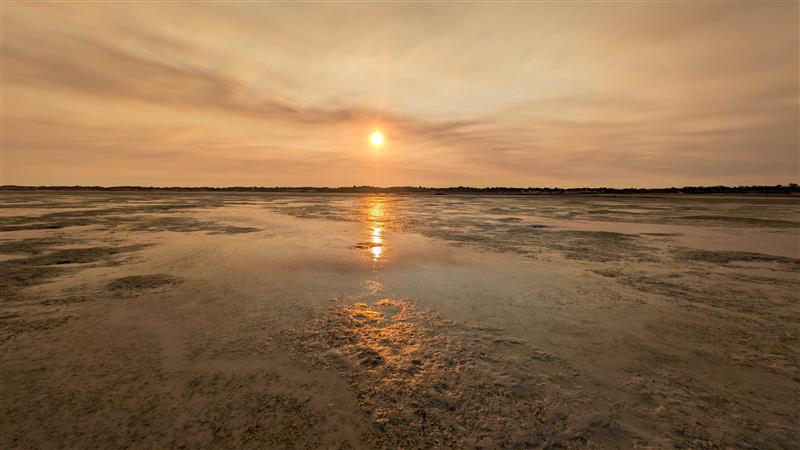
Roebuck Bay is a Wetland of International Importance under the Ramsar Convention and supports globally significant migratory shorebird populations, rare and threatened species, marine invertebrates, turtles, dugongs, fish, mangroves, saltmarshes, mudflats and seagrass systems.
The challenge is to maintain the ecological character of this highly productive coastal and intertidal system while managing pressures such as climate change, coastal development, pollution, human use and the need for ongoing monitoring and coordinated management.
Solution
Rangelands NRM is delivering a coordinated package of environmental services to support the long-term management of Roebuck Bay Ramsar Site.
The project brings together ecological monitoring, site assessment, land management, cultural knowledge, community engagement and communications to help protect one of the Kimberley’s most significant coastal wetland systems.
The work includes fauna and flora surveys, benthic fauna assessment, habitat condition monitoring, baseline data synthesis, access management, riparian and aquatic remediation, and targeted engagement with stakeholders and land managers. It also supports First Nations cultural practice days and the integration of cultural knowledge with modern science, helping ensure management approaches are place-based, respectful and informed by the people connected to Country.
Impact
The project contributes to the long-term protection of Roebuck Bay’s internationally significant wetland values.
It supports migratory shorebird habitat, biodiversity, cultural knowledge, community awareness, sustainable use and Ramsar reporting obligations. By working through partnerships and integrating cultural knowledge with science, the project helps maintain the ecological character of Roebuck Bay while supporting local livelihoods, cultural heritage, ecotourism and research.
Outcome
The project will strengthen the long-term management of Roebuck Bay by improving the information, partnerships and practical actions needed to protect its Ramsar values.
Through ongoing monitoring, site-based planning, cultural knowledge sharing and targeted on-ground activities, the project will help guide future management decisions and support the continued health of Roebuck Bay’s coastal, intertidal and marine ecosystems.